The world of spirits is in a profound transformation. There is no longer a time when alcohol was the only option for people looking to enjoy the luscious flavors and aromas of finely constructed drinks. In our health-conscious and mindful society, the demand for alcohol-free alternatives are increasing. This huge shift is creating numerous opportunities in that European Union (EU) and United Kingdom (UK) alcohol-free spirits market.
The Boom in Alcohol-Free Spirits
The Rise of Non-Alcoholic Alternatives
The increased interest in spirits that are alcohol-free can be attributed to a increased awareness of negative impacts of alcohol consumption on wellbeing and overall health. More and more people are taking the right approach to their drinking habits, choosing the quality of their drinks over the quantity. In the end, the alcohol-free spirit market is experiencing unimaginable growth.
Recently, consumers have exhibited a preference for products that allow people to enjoy the complex tastings and sensory experiences that are traditionally associated with spirits free of the narcotic effects of alcohol. Whether it’s the familiar juniper notes of gin, or the subtle whiskey undertones, these alcohol-free beverages are designed to replicate the taste and aroma of their alcohol-based counterparts.
Statisticians reflect this shift. The sales of alcohol-free spirits have been on the rise, and many brands have emerged to satisfy the demand. In addition, established distilleries have joined the movement providing their expertise and experience to make top spirits with no alcohol, catering to those with refined palates.
It is the health and Lifestyle Shift
The rise of alcohol-free spirits may be influenced by the desire for tasty alternatives, healthy living is now a predominant factor. Many consumers are opting for alcohol-free options to maintain an active lifestyle, lessen alcohol-related hangovers and decrease the amount of alcohol they consume.
The trend toward healthier living extends to the broader lifestyle of wellness, where consumers place a high value on mindfulness and self-care. When it comes to this, choosing drinks that are alcohol-free allow people to indulge in the art of mixology and cocktail crafting without compromising their well-being.
As the market continues to evolve it is a great time to start businesses that are able to tap into this healthier consumer group. The necessity to grasp these opportunities has never been more apparent.
Understanding The EU as well as the UK Market
Market Overview
Before we dive into the specific opportunities available in both market opportunities in the EU and UK alcohol-free spirits market, it’s essential to understand the current situation. Both regions have seen a dramatic rise in the consumption of alcohol-free spirits.
In the EU countries, such as Germany, France, and Spain are now major marketplaces for non-alcoholic alternatives. These countries, renowned by their rich culinary tradition and appreciation for fine wines they have also embraced alcohol-free spirit with enthusiasm. Some brands are responding by providing numerous alcohol-free options for these markets.
The UK, with its vibrant drinking culture and an enthralling consumer of wellness is another popular spot for alcohol-free spirits. London, in particular, has seen the growth of dedicated alcohol-free bars and establishments and is indicating the growing demand for sophisticated alcohol-free beverages.
Regulatory Landscape
Navigating through the EU and UK alcohol-free spirit market requires an in-depth comprehension of the regulatory environment. Regulations governing the production branding, distribution, and sale of alcohol-free spirits can vary between countries and regions.
In the EU producing alcohol-free spirits usually falls under the same guidelines as alcoholic beverages. This means adhering to exact quality standards, as well as requirements for labeling. It’s important for businesses to be in compliance with EU regulations to be able to enter this market.
In the UK, the regulatory landscape is dependent on both EU laws and regulations as well as domestic laws. The need for clear and precise labels is important in order to inform consumers about the amount of alcohol contained in products.
It is crucial to understand these rules for any business looking to prosper in the EU and UK alcohol-free spirit market. This not only helps ensure legality, but also helps build confidence with consumers.
After we’ve explored the growth and dynamics of the alcohol-free spirit market and laid the foundation with an understanding regarding market dynamics in EU as well as the UK marketplace, now it’s now time to investigate the particular opportunities which lie ahead in these regions. In the next part in this article, we’ll discover the emerging segments of the market that drive demand and the innovative offerings which are altering the industry landscape.
Don’t miss out on this moment to maximise your opportunities in this fast-growing market.
Bulk Purchasing, Direct Savings: Get Your Alcohol-Free Spirits from Swedish Distillers!
“niche” Markets and Emerging Trends across the EU and UK Alcohol-Free Spirit Industry
As we have explored the EU and UK alcohol-free spirit market, we’ve already uncovered the overarching boom in this industry led by health-conscious buyers and conscious drinking. Now is the time to go deeper into the market and comprehend the smaller segments and new patterns that are reshaping the market.
The Craft Movement to Free Spirit Alcohol
Artisanal Excellence Without Alcohol
A major development in the market for alcohol-free spirits is the rise of craft brewers who are committed in the development of exceptional alcohol-free alternatives. They bring the same quality and commitment to alcohol-free spirits that traditional distillers do to alcohol-based counterparts.
Spirits that are made without alcohol can be characterized by their elaborate and sophisticated flavors. They usually include botanicals, herbs and spices, refined to perfection. They are not merely alternatives, but are distinctive by themselves they appeal to discerning drinkers seeking a refined intoxication that isn’t alcohol.
Craft Distilleries along with Experimental Offerings
Craft distilleries across The EU as well as the UK are in the forefront of the trend, exploring innovative ingredients and distillation techniques. For example, a gin alternative filled with exotic botanicals some whiskey-inspired drinks that have some smoky notes, these options have pushed the boundaries of alcohol-free spirits.
Consumers are more attracted by craft products since they show authenticity with transparency, authenticity, and a passionate love for quality. When they support these artisans they feel a sense of belonging to the process and are looking to experience different flavors that commercial brands don’t provide.
Targeting Niche Consumer Segments
The rise of zero-proof Cocktails
As the growing demand for alcohol-free spirits increases is the demand in zero-proof cocktails, also known as “mocktails.” This trend is most prominent within restaurants, bars, and home mixologists. Making innovative, alcohol-free cocktails is now a cult art, with the market for top-quality alcohol-free spirits to complement these drinks is rising.
Zero-proof cocktails don’t just work for non-drinkers or designated drivers They are appealing to all looking for a refreshing and elegant drink that does not have the negative adverse effects of alcohol. For the EU and UK the popularity of low-proof beverages has led partnerships between bartenders and alcohol-free spirits companies to develop new recipes that improve the overall drinking experience.
For the Health-conscious Generation
The health-conscious consumer segment has been a key factor in the success of alcohol-free liquors. They are a group that values fitness and mindfulness. They seek products that conform to their lifestyle values and values.
Brands that emphasize the positive health benefits of their spirit that is alcohol free, such as low calorie content and lack of health risks associated with alcohol can attract the attention of this demographic. Moreover collaborations with wellness and health influencers and professionals can improve the credibility of a brand.
Environmental and Sustainability Focus
sustainable production and packaging
The importance of environmental awareness is a major influence on consumer choice in Europe, the EU and UK. Brands operating in the alcohol-free spirit sector are responding by implementing sustainable practices for production and packaging.
Craft distilleries, in particular the UK, are committed to sustainability. They buy locally whenever possible to reduce water usage and use environmentally-friendly distillation techniques. Packaging innovations, including biodegradable, recyclable and biodegradable packaging materials are also receiving attention.
Stay ahead of the Curve
As we move to what is the EU and UK alcohol-free spirit market, it’s evident that niche market and new developments are driving the advancement of this industry. Craft-based producers are reinventing nonalcoholic spirits, to the rising popularity of zero-proof cocktails, and an increasing focus on sustainability, there are plenty of opportunities when you are able to think outside the box and respond to the changing demands of the market.
In the following part we’ll discuss the significance of branding and marketing strategies that appeal to the target audience, and we’ll discuss the most important challenges and solutions to this expanding market.
Keep an eye on us as we reveal how to position your alcohol-free spirit brand to be successful within Europe and the UK. EU as well as the UK.
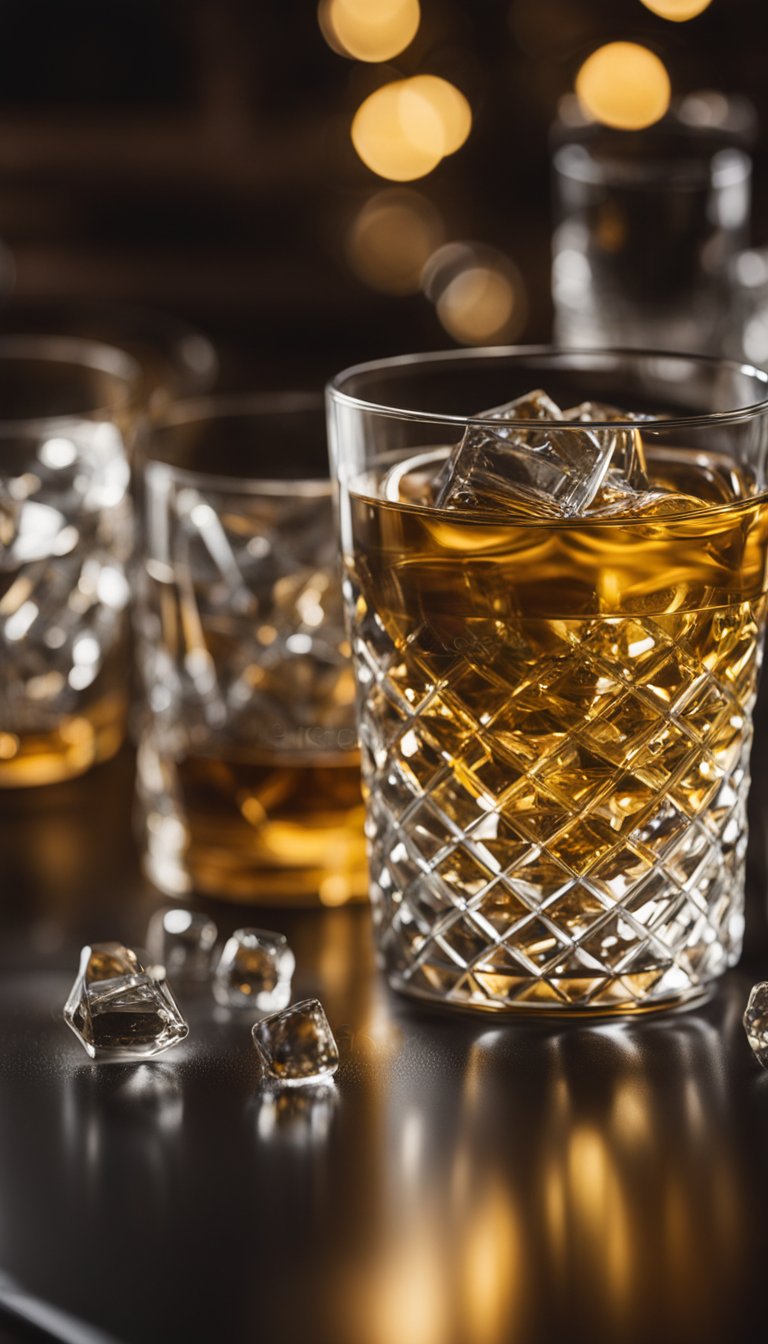
Marketing and branding strategies for EU and UK Spirits with no alcohol
In our investigation of this EU and UK market for alcohol-free spirits we’ve seen the increasing demand for these innovative drinks, the rise to craft alcohol-free spirit, and the specific segments of consumers responsible for the rise of this industry. Now is the time to investigate the essential realm of branding and marketing strategies to set the alcohol-free spirit you sell in the midst of a highly competitive market.
Making a Brand Strong Identity
Craftsmanship and Authenticity
In the world of alcohol-free spirits, crafting an effective brand image is paramount. The consumers are attracted by brands that exude professionalism genuineness, authenticity, and unwavering commitment to excellence. To make your brand an expert in your field you should consider these strategies:
- “Tell your Story Tell the story behind your brand in a way that highlights the passion and commitment that go into the creation of your alcohol-free spirits.
- Transparency Be transparent about your ingredients, manufacturing processes and the sources. It builds trust in consumers.
- Visual Identity Make an investment in an appealing and visually appealing logo as well as packaging that conveys the uniqueness of your brand’s values.
Invoking Emotion
Alcohol-free spirits tend to be associated with positive emotions like being happy, celebrating, and the ability to be mindful. Leverage these emotions to be able to connect with your customers on a an emotional level:
- The art of emotional storytelling Create stories and marketing strategies that resonate with the emotional aspect of drinking alcohol-free spirits. The story should highlight the joy, enjoyment, and social connection.
- Inclusive Messaging It is important to emphasize that alcohol-free spirit is for everyone no matter if they prefer not to drink, are designated drivers, or simply want to look for the healthier option.
Innovative Marketing Strategies
Digital Presence and Content Marketing
Today, in the digital age, a strong online presence is vital. Be sure that your brand is easily found and engaged on all digital platforms:
- website optimization It is a good idea to invest in a user-friendly site that showcases your product, provides comprehensive details, and has blog sections for content marketing.
- Social Media Engagement: Be sure to keep active and updated social media profiles so that you can connect with your audience Share valuable content and manage targeted ads.
- Educational Content: Create content that educates the consumer about the advantages, flavor as well as the range of options available to you with your alcohol-free spirits. This can include blog posts informational videos, infographics, or video posts.
Partnerships and Collaborations
Working with similar brands and influencers will increase the reach of your brand and boost credibility
- Bartender Collaborations Join forces with bartenders in the creation of zero-proof cocktail recipes using alcohol-free spirits. Collaborations like these can create buzz that can draw mixologists and drink enthusiasts.
- Influencer Partnerships: Identify influencers in the wellness lifestyle, lifestyle, or alcohol-free area who are aligned with your values as a brand. Work with them to develop authentic content and expand your reach.
Navigation Challenges and Looking Ahead
While the alcohol-free spirit market has a lot of potential However, it does come with its share of challenges. Many consumers still have fears about the taste and value of these alcohol-free products. Overcoming these hurdles requires patience, perseverance and constant improvement.
In our next chapter we’ll examine some of some of the biggest challenges facing this industry and offer solutions to overcome the issues. In addition, we’ll explore potential future developments for both the EU and UK spirits that are alcohol-free and anticipate the developments that will determine its future.
Stay tuned for us to provide your with the knowledge and strategies you need to succeed in this exciting and dynamic market.
Challenges and Strategies for the EU and UK Alcohol-Free Spirit Market
As we’ve explored the world of alcohol-free spirits across the EU and UK we’ve witnessed the growing popularity of these drinks and have uncovered the fundamentals of branding and marketing strategies. Now, it’s time to take on the challenges brands face in this ever-changing market and give strategies to tackle them.
New Challenges in the Alcohol-Free Spirit Industry
Consumer Conceptions
One of the main challenges is the perceptions of consumers regarding the quality and taste of spirits that are alcohol-free. Many people associate these beverages with blandness or unpleasant flavors. To combat this, look at these strategies:
- Taste Education Help consumers understand the various flavors and subtleties of alcohol-free spirits. Create tasting events or virtual tastings in order to demonstrate the quality and complexity of your products.
- sampling programs Provide sample-sized packs or bottles, allowing clients to sample alcohol-free spirits before they commit to the full bottle purchase.
Regulatory Compliance
navigating the complicated regulatory landscape surrounding alcohol-free spirits can be challenging. The rules for labeling, distribution and production differs by country. Ensure compliance by:
- Consult Legal Professionals Seek legal counsel or regulatory experts with expertise in laws governing alcohol and beverages to ensure your brand complies with all regulations.
- Full Labeling: Create transparent and comprehensible labels that accurately depict your product’s alcohol content and ingredients.
Competition and Differentiation
With the rise of the alcohol-free spirit market, the competition is growing. To stand out
- The Product’s Innovation Innovate continuously by creating new flavours, packaging, or even unique production methods.
- Differentiation Highlight what makes your brand apart, whether it’s sustainability initiatives, exclusive ingredients or a compelling narrative about your brand.
Strategies for Overcoming Challenges
Consumer Education
A well-informed consumer is much more likely to drink alcohol-free beverages. Try these educational strategies:
- On-line Resources Create comprehensive online materials that explain the process of production, ingredients as well as the health benefits of your products.
- Customer Support Customer Support: Provide outstanding customer support, addressing inquiries and concerns promptly.
Sustainability Initiatives
Today, consumers are more conscious of sustainability. Embrace eco-friendly practices:
- Eco-Packaging Utilize sustainable packaging materials, and clearly express your commitment to sustainability.
- Local Sourcing You can source ingredients locally whenever possible, which helps reduce the carbon footprint of your business.
Collaborations and Partnerships
Collaborations can improve your reach and credibility. Consider:
- Retail Partnerships: Collaborate with retailers to showcase your products in a prominent manner, either in stores or on the internet.
- Industry Alliances: Join alliances and associations in the industry for information and to network with other alcohol-free spirit brands.
This is the future of market for alcohol-free spirits
While we work to overcome these obstacles and develop strategies to tackle these obstacles, it’s imperative to be looking ahead. In our next segment this article, we’ll analyze prospects for the EU and UK alcohol-free spirit market looking for new trends and opportunities that companies should keep an eye on.
Be sure to follow us as we traverse the thrilling road ahead for this dynamic and expanding industry.

A New Future for the EU and UK Affirmative of Alcohol Free Spirit Market: Trends and Opportunities
As we come to the end of our exploration on the EU and UK alcohol-free spirit market, we cast our gaze towards the future. We see exciting future trends and opportunities are in store for brands in this rapidly growing industry.
New Strategies in the Alcohol-Free Spirit Market
1. Diverse Flavor Profiles
In the next few years We can anticipate an even broader range of flavors to be introduced into the market. Consumers’ tastes are becoming more adventurous, and brands are responding with creative botanical blends that include exotic fruit infusions plus aromatic and flavourful herbs.
2. Premiumization
The same way that the trend of premiumization transformed the industry of alcoholic spirits and is expected to create a similar shift in the industry of alcohol-free. Brands will focus on top-quality products and ingredients which will offer consumers a superior experience.
3. Sustainability as a Standard
Sustainability will no longer be a distinct selling point but a standard expectation. Companies that make eco-friendly choices that include sourcing ingredients with care and using recyclable packaging can gain a competitive edge.
4. Mocktail Culture
The popularity of alcohol-free mocktails or drinks is likely to continue. These sophisticated alcohol-free options are becoming popular in restaurants and bars as well as providing an chance for alcohol-free spirits to join forces with establishments.
Opportunity on Horizons Horizon
1. International Expansion
With the EU and UK markets growing, brands should consider expanding their business internationally. Markets in Asia as well as The Middle East, and North America are a great opportunity for alcohol-free spirits.
2. Health and Wellness Partnerships
Collaborations with wellness and health brands, influencers, and even events could help alcohol-free spirits reach consumers seeking alternatives to alcohol.
3. E-Commerce Dominance
The development of e-commerce is providing an excellent opportunity for direct-to-consumer sales. Brands must invest into user-friendly sites, digital marketing and ecommerce strategies to tap into this expanding market.
Conclusion and Recap
In this five-part series, we’ve explored this EU as well as the UK spirits market that is alcohol free, revealing its increasing popularity advertising and marketing strategies, obstacles, and ways to conquer them. We’ve also explored emerging trends and opportunities that are waiting for companies in this ever-changing industry.
The appeal of alcohol free spirits in Europe is undisputed. Since consumers are increasingly looking for healthier, responsibly sourced drinks markets continue to prosper. Brands that encourage innovation, quality also, sustainability and global expansion are best placed to thrive in the years to future.
Thank you for joining us on this educational journey through the world of alcohol-free spirits. We hope that this series offered you some useful insights and inspiration for navigating this fascinating and ever-changing market.
Leave a Reply