When it comes to drinks, the term “alcohol-free” is getting substantial traction. The majority of people are looking for alternatives to alcohol for various reasons like fitness, personal preference or lifestyle decisions. When the desire for alcohol-free beverages is increasing is the need for clear regulations to govern these drinks.
Understanding the Importance of EU Regulations
Why You Need to Be aware
Before diving into the intricacies of EU rules governing alcohol-free drinks it’s crucial to grasp what this information means. No matter if you’re looking for a reliable product or a manufacturer eager in achieving compliance standards, here’s why EU rules on alcohol-free beverages are important:
The Growing Popularity of Alcohol-Free Beverages
Alcohol-free drinks have surpassed the realm of sodas and water. These days, they are the entire spectrum of alcohol-free beverages including alcohol-free beers to exquisite mocktails as well as spirits that are alcohol free. In a time when consumers are looking for more healthy and varied beverage options, market for these items is increasing.
Health and Safety Concerns
Consumers have a right to believe that products they consume comply with stringent safety and health standards. The regulations ensure that alcohol-free drinks are produced, labeled, and promoted in ways that are geared towards consumer well-being. They also aid in avoiding misleading assertions and safeguard people that should stay clear of alcohol due to medical reasons.
Industry Growth and Innovation
The alcohol-free drinks market is advancing rapidly, with innovative products that go against the grain of conventional wisdom. Producers are developing unique flavours and textures that are similar to alcohol-based counterparts. To facilitate the growth of this business and maintain consumer trust extensive regulations are vital.
If you’ve mastered the importance of EU rules on alcohol-free drink, let’s examine the main regulations that govern these products in the next section.
H2: The most important EU Regulations for Alcohol-Free Drinks
In the next section, we’ll go into the root of the matter, and break down the major regulations that determine the alcohol-free beverage industry within the European Union. From maximum permitted alcohol content to the labeling requirements We’ll unravel the rules which producers, distributors and customers must know.
Maximizing Safety and Consumer Confidence
When we begin this regulatory journey, remember this: these regulations aren’t mere bureaucratic red tape. They are vital in ensuring that alcohol-free drinks are in compliance with certain quality standards, offer accurate information to consumers and aid in creating more secure and healthier drink environment.
Let’s now explore the complex complexities of EU regulations for alcohol-free drinks for the following part.
[Next step: Section 2: Important EU Regulations for Alcohol-Free Drinks[Next up: Section 2: Key EU Regulations for Alcohol-Free Drinks
Lead the Market: Order Alcohol-Free Spirits in Boxes or Pallets from Swedish Distillers!
Important EU Regulations for Alcohol-Free Drinks
In our quest to understand the world of alcohol-free beverages in the European Union, we now take a look at the core of matters matteraEUR”the regulations. These regulations form the backbone for ensuring alcohol-free drinks are safe, transparent and have the right standards of quality. Let’s embark on this regulated trip, examining the major EU rules governing alcohol-free beverages.
Maximum Permitted Alcohol Content
What is the significance of HTML0?
The definition of “alcohol-free” hinges on the alcohol content that is permissible. In the EU the EU, in order for a beverage to be labelled “alcohol-free,” it must be a minimum of 0.5 percent the volumetric amount of alcohol (ABV). This limit is critical for consumer safety, especially in those who prefer to cut out alcohol completely, either for health reasons, dietary, (or personal) reasons.
The Labeling Requirements
Concision and Transparency
EU regulations demand that labels on alcohol-free beverages must clearly declare their alcohol content. This isn’t just an issue of transparency but is also essential for customers who depend on such details. The label should prominently include the “alcohol-free” declaration and the exact ABV and ensure that the consumers are able to make informed decisions.
Substances, Additives and Ingredients
Quality and Purity
To ensure the high-quality and integrity of alcohol-free drinks EU regulations establish strict standards for additives and ingredients. The regulations guarantee you only the approved ingredients are used in the creation of these drinks. The focus is on preserving the integrity of the product regardless of whether it’s alcohol-free wine, beer, or spirits.
Health Claims and Advertising
Preventing fraudulent claims
EU regulations also regulate health claims and advertisements for alcohol-free beverages. This is in order to stop misleading statements that could create false perceptions of the health benefits associated with drinking such drinks. Producers must adhere to guidelines that guarantee accuracy and honesty for their advertisements.
QUALITY Standards and Safety Inspections
Quality Control and Quality Control
Another key aspect of EU laws is implementation of quality standards as well as security controls. Producers are expected to perform strict testing and quality control methods to ensure that the alcohol-free drinks comply with the standards set by the EU. This includes hygiene, safety from microbiological contamination and overall quality.
In compliance with the law and Certification
With an knowledge of the essential EU regulations for alcohol-free drinks If you’re curious about what steps distributors and producers take to ensure the strictness of these rules. The process of ensuring compliance is a fundamental part of getting these products on the market while still adhering to EU regulations.
H2: The Art of Navigating Compliance
The process of navigating compliance can be a daunting task, however it is vital for distributors and producers to ensure that their alcohol-free products meet EU standards. Here are the key steps to follow in the compliance process:
Testing and Analysis
Producers are required to conduct thorough testing and analysis of their alcohol-free beverages to ensure that they meet the criteria. This includes verification of alcohol content as well as testing of ingredients and tests of quality.
Documentation and Record-Keeping
Detailed documentation is a cornerstone of compliance. Producers need to maintain records of testing, ingredient source, and the production process. These records provide evidence of compliance. They are also under scrutiny by authorities in charge of regulatory oversight.
Working with Regulatory Authorities
Producers and distributors typically collaborate with regulatory authorities on compliance. This involves obtaining the necessary authorizations and certifications. These depend on the particular type of alcohol-free beverage.
Common Challenges and How to Overcome Them
Compliance can present challenges especially for small producers, or those who are just beginning to the business. Common obstacles include navigating various regulatory requirements, balancing testing costs, and keeping current with changes in regulations. Finding expert advice and remaining current with changes to regulations are essential strategies to overcome these hurdles.
In our next section we will look at the effects of these rules on consumers and the best way to assist them in making educated choices when it comes to choosing alcohol-free drinks.
[Next: Section 3: Impact on Consumers[Next up: Section 3: Impact on Consumers

Effect on Consumers In the process of navigating EU Regulations on Alcohol-Free Drinks
As we continue our journey through the realm of alcohol-free drinks and the regulations that govern them in the European Union, we come to a pivotal point of considerationaEUR”the impact of these regulations on consumers. It is essential that consumers comprehend how these regulations impact their choices and rights when it comes to selecting alcohol-free beverages.
Why should consumers care About EU Regulations on Alcohol-Free Drinks?
Before getting into the specifics you must answer the most fundamental question: why do consumers have to care about EU regulations regarding alcohol-free drinks? Here are the key reasons:
-
Security and Trust: Consumers deserve to have safe and reliable products. Regulations ensure that alcohol-free drinks adhere to strict quality and safety requirements, which lowers the possibility of health concerns or misrepresentation.
-
Informed Choices: It empowers consumers to be able to choose informed decisions. With the knowledge of requirements for labeling and medical claims on products, buyers are able pick products that match their preferences as well as dietary requirements.
-
Avoiding false claims: Regulations protect consumers from untrue health claims and misleading advertising by preventing consumers from falling prey to deceitful marketing techniques.
Now, let’s dive into the ways EU regulations impact consumers:
Reading Labels and Understanding Claims
In the case of labels, clarity is essential.
One of the main methods consumers are affected by EU regulations is through product labeling. When you buy an alcohol-free drink within the EU the label must provide precise and clear information. Here’s what to look for:
-
Alcohol Content: The regulations require that the labels display the exact alcohol content typically in the form of Alcohol by Volume (ABV). This lets consumers confirm this product’s authenticity. genuinely alcohol-free, meeting the EU’s 0.5% ABV threshold.
-
“Alcohol-Free” Descriptor: The label should prominently display the “alcohol-free” identification, ensuring that consumers will be able to identify these products.
-
Listing of ingredients: These regulations demand complete ingredient lists, which can help consumers with food restrictions or allergies make informed decisions.
-
Statements on Health: Careful with statements about health on labels. Regulations ensure that there are no misleading claims, to ensure that those benefits for health are accurately represented.
Information on Non-Compliance
Consumer Rights and Accountability
Consumers are also involved in ensuring compliance with EU rules regarding alcohol-free beverages. When a label on a beverage appears false or you suspect non-compliance with regulations, you’re entitled to report it. Not reporting violations helps preserve respect for the market as well as holds producers accountable.
Sources of Information and Resources for Consumers
In addition to reporting any non-compliance In addition, consumers can consult different sources for help:
-
consumers Associations: Many consumer associations closely monitor compliance with the law as well as provide information and assistance.
-
authorities: It is possible to contact the local or national regulatory agency for advice and to discuss concerns.
-
Online communities Participating in online forums and communities may provide insight and advice from fellow people who have the same interests as you.
Understanding the way EU rules impact consumers enables consumers to make educated choices and help ensure the quality of the alcohol-free drink market. In our next chapter we’ll look at the future trends in this rapidly changing landscape and what consumers can look forward to in the future of alcohol-free drinks.
[Next up: Section 4: Future Trends and Conclusion[Next up: Section 4: Future Trends and Conclusion
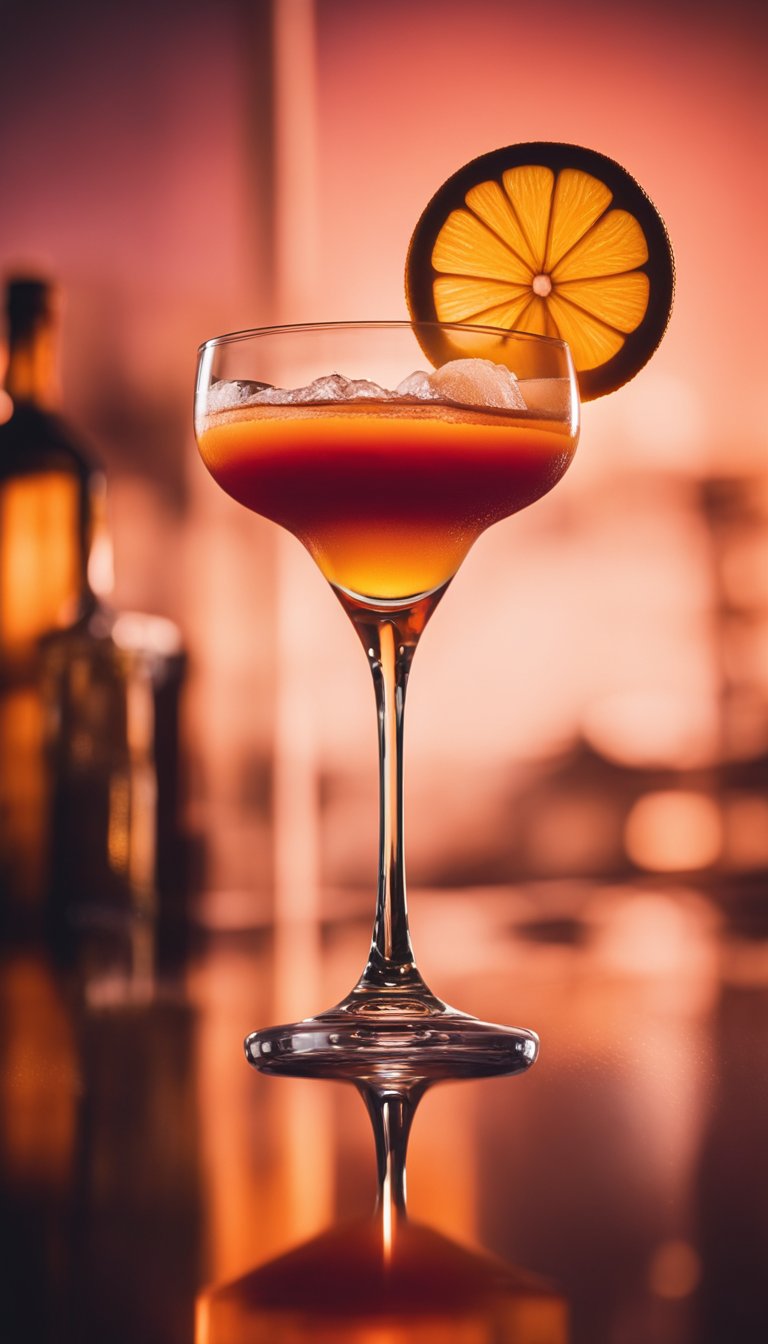
Future trends regarding the World of Alcohol-Free Drinks
As we work through the complexity of EU regulations on alcohol-free drinks and their effects on consumers and their consumption habits, it’s essential to think ahead and look at the emerging trends that are likely to emerge in this landscape. The world of alcohol-free beverages is experiencing rapid growth and advancement that is driven by the changing of consumer tastes and healthier choices.
What is the significance of future trends?
Being aware of future trends isn’t only a matter of curiosityaEUR”it’s vital for producers and consumers. The best way for producers to stay on top of the curve is about keeping up with evolving requirements of consumers and regulatory changes. To consumers, this means having access to an ever-expanding assortment of healthy and delicious beverage choices.
1. Expanding Product Variety
Over the Basics
There is a wide variety of non-alcoholic drinks isn’t just limited to traditional options like soda and sparkling water. Producers are continually expanding their product offerings to provide consumers with a wide variety of options, such as:
-
Alcohol-free beer: Its products have become more sophisticated, with flavor and aromas that to their alcoholic counterparts.
-
Alcohol-free Wines Drink-free wine is increasing in popularity, giving consumers the enjoyment and flavor of wine, but without alcohol.
-
Alcohol-Free Spirits: Mocktails and spirits with no alcohol are on the rising, allowing customers to experience complex flavors and cocktails without alcohol.
2. Innovations in Flavor and Ingredients
Mimicking Complexity
Producers are investing in the development of research and development for drinks without alcohol that replicate the rich flavor and experience of alcohol drinks. This includes testing with botanicals, herbs, and spices to create a variety of distinct flavors.
-
Botanical Infusions: Gin that is alcohol-free as well as botanical spirits are incorporating various botanicals, delivering unique flavor experiences.
-
Methods of Distillation: The distillation process is one of the most popular methods to extract flavors that are not alcohol-based producing sophisticated alcohol-free spirits.
3. Health and Wellness Focus
aligned with consumer Values
Consumer demand for healthier and more sustainable products is causing producers to concentrate on health and wellness issues. This means highlighting nutrition information, organic ingredients, and wellness benefits.
-
Low Sugar and Calories: A lot of alcohol-free drinks are designed to be low in sugar and calories, catering to those who are health conscious.
-
Active Ingredients Producers are incorporating functional ingredients such as vitamins, adaptogens, and antioxidants to enhance the health appeal of their products.
4. Sustainability and Eco-Friendly Practices
Meeting Environmental Concerns
Sustainability is a rising concern Producers are responding by implementing eco-friendly practices. This includes sustainable sourcing of materials, environmentally conscious packaging, and the reduction of carbon footprints.
-
recyclable packaging: Many companies that do not use alcohol choose to use recyclable or biodegradable packaging, in order to limit environmental impact.
-
Ethical Sourcing: Producers are becoming more transparent about the sourcing of their products, making sure they adhere to ethical and sustainable standards.
5. Learning and Consumer Empowerment
Informed Choices
As the alcohol-free drink landscape expands, consumer education becomes essential. Producers are investing in tools to help consumers understand their products, such as:
-
Online resources The websites and the social platforms provide information on ingredient ingredients, nutrition benefits, and even serving suggestions.
-
Event Tastings: Producers may host tasting events as well as workshops to provide consumers with the knowledge to take advantage of alcohol-free drinks to the maximum.
Understanding these emerging trends allows consumers to make choices that align with their own values and preferences. In the next segment we’ll review the main points and look at how the world of alcohol-free beverages continues to shape consumer options and experiences.
[Next: Section 5: Overview and Looking Forward]
In-depth Summary and Looking forward: Finding the EU Regulations on Alcohol-Free Drinks
When we’ve finished our thorough study of EU rules on alcohol-free drinks and their sweeping impact for consumers and the business it’s important to recap the key insights from each of the sections and look forward to the upcoming developments in this dynamic landscape.
Section 1: Understanding EU Regulations
The first portion of our trip we explored the fundamentals of EU regulations on alcohol-free drink. The key points to take away:
-
EU Regulations Ensure Safety: These regulations are designed to ensure security and safety of the alcohol free beverages so that consumers can have fun with these drinks without health risks.
-
labeling clarity: Users can be confident in clear and accurate labeling to differentiate alcohol-free drinks and be aware of their ingredients and health claims.
-
The Consumer Right: They have the rights to inform about violations of rules, which contributes to an honest and responsible market.
2. Production and Compliance
In the second part, we explored the production and aspect of compliance for alcohol-free drinks:
-
Producer Standards The producers must conform to strict guidelines, which include the 0.5 percent ABV threshold for alcohol-free classification.
-
Certification and Testing: Products undergo rigorous tests to make sure they are in compliance with all requirements set by the regulator.
-
Essentiality of Compliance: The compliance with the regulations is essential to avoid penalties and maintain consumer trust.
Section 3: Affect on Producers and Market
Our third section was focused on the effects of regulations on the market and producers:
-
Markt Growth It is evident that the need for alcohol-free drinks is currently on the increase, driven by health conscious consumers and the development of new products.
-
Innovation and Competition: Producers are continually developing new ways to meet the demands of consumers, resulting in a diverse array of alcohol-free options.
Section 4: Future Trends
The final section we analyzed the upcoming trends that are shaping the world of alcohol-free drinks:
-
Expanding Variety of Products: Consumers can expect an increased variety of drinks that are alcohol-free, such as stylish alternatives to traditional choices.
-
Innovations in Flavor and Ingredients: Producers are investing in making complex flavors more accessible, while also improving the enjoyment of drinking.
-
Wellness and Wellness The focus: Health-conscious consumers will find products that meet their lifestyle preferences and the goals of their health.
Section 5 The Summary and Looking Forward
In this section, we’ve looked at the essential insights we’ve uncovered through our examination of EU rules on alcohol-free beverages. These findings help both consumers and producers to navigate this constantly changing landscape effectively.
As we head into the future to the future, the realm of alcohol-free drinks will continue to expand and innovation. People can anticipate a constantly expanding variety of choices that cater to their diverse tastes preferences, and needs. Producers, in turn, need to remain alert in adhering to laws while taking advantage of the possibilities offered by this constantly changing market.
In conclusion, knowing EU laws on alcohol-free drinks isn’t only about ensuring compliance, but it’s about offering the security that, transparency, as well as choice that consumers have right to. With a bright future in the near future, the alcohol-free drinks market allows consumers to explore the possibilities, enjoy, and raise their glasses to a healthier and more flavorful taste.
We thank you for taking us on this journey through all the possibilities of alcohol-free drinks and EU regulations. Let’s look forward to the future with exciting and responsibly sourced beverage choices.
“End Of Series]
Leave a Reply